
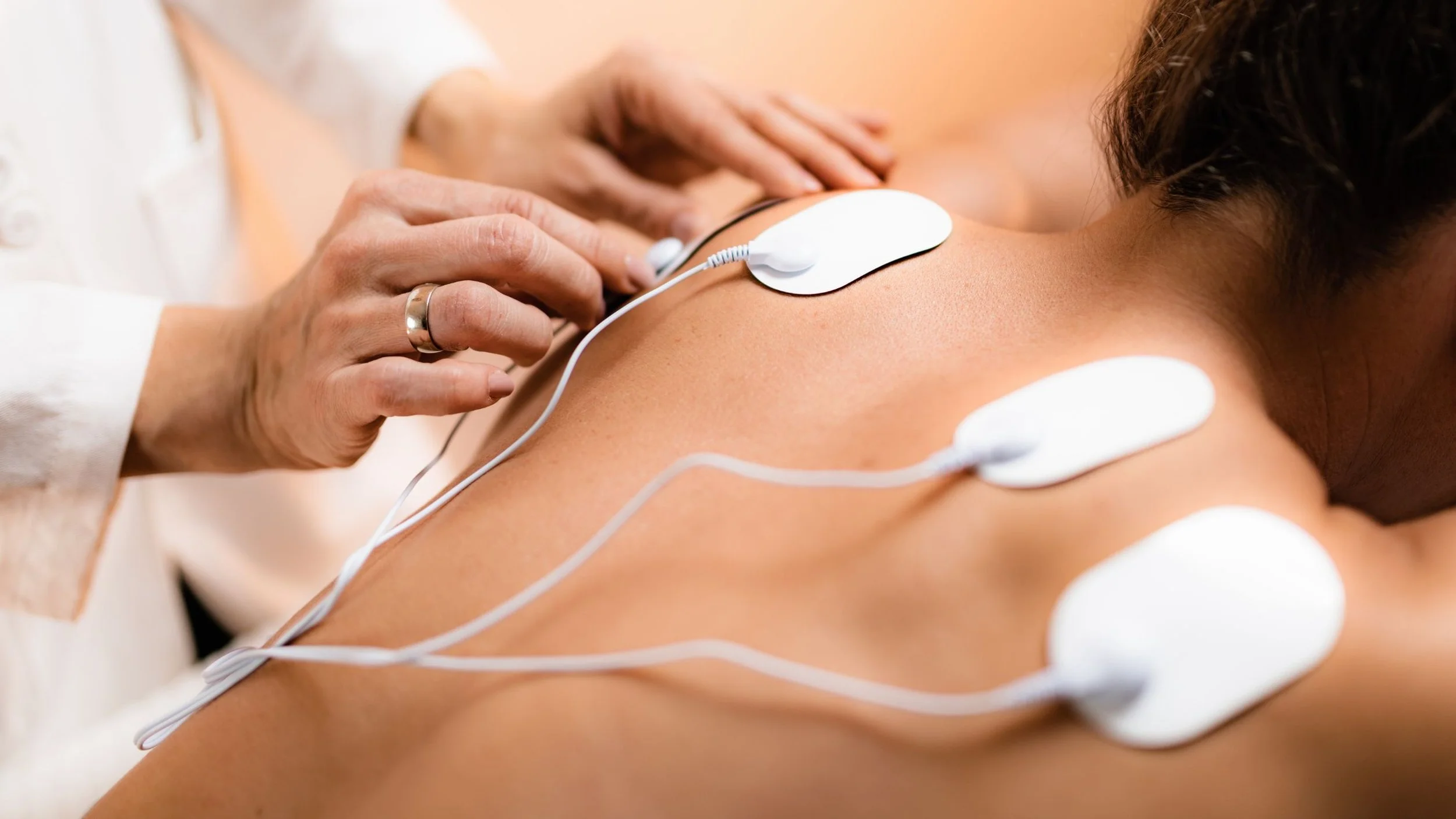
Therapeutic Modalities & Dry Needling
Advanced Treatment Tools to Support Healing, Reduce Pain, and Improve Recovery
At Performance Plus Rehabilitation Center, therapeutic modalities are used to complement hands-on treatment and rehabilitative exercise. These evidence-based technologies help reduce pain, improve circulation, decrease inflammation, and create an environment that supports tissue healing and recovery.
What Are Therapeutic Modalities?
Therapeutic modalities are specialized tools and technologies used by physical therapists and chiropractors to enhance the body's natural healing process. Depending on your condition, modalities may be used to:
Reduce pain and discomfort
Improve blood flow and circulation
Decrease inflammation and swelling
Promote tissue healing
Improve mobility and flexibility
Restore muscle function
Support recovery following injury or surgery
Our doctors determine which modalities are appropriate based on your evaluation findings, diagnosis, and stage of recovery.
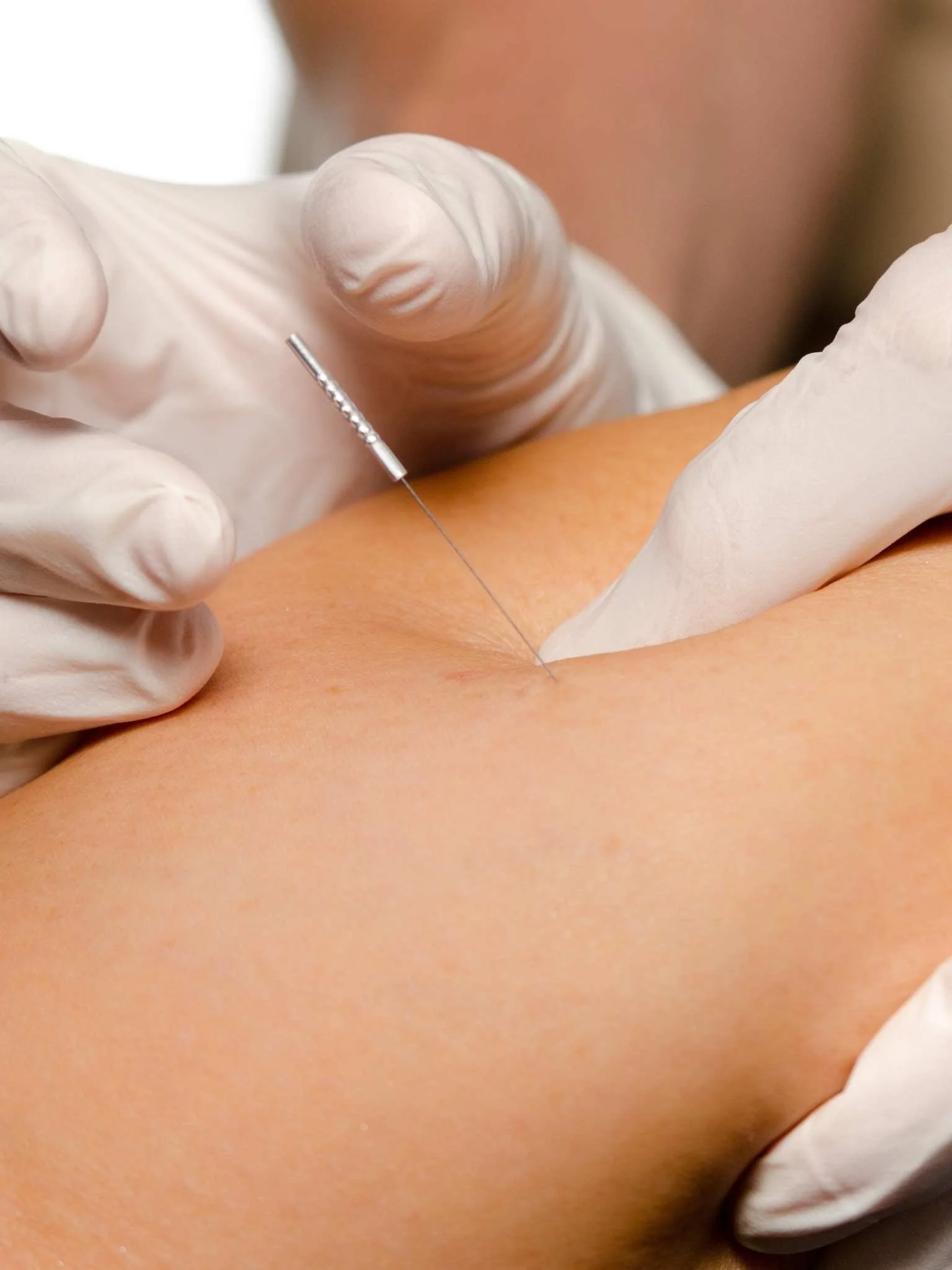
Dry Needling
Dry needling is a skilled treatment technique used by our licensed clinicians to address muscle tightness, trigger points, movement restrictions, and neuromuscular dysfunction. By targeting specific areas of muscle tension, dry needling can help reduce pain, improve mobility, and restore more efficient movement patterns.
What Is Dry Needling?
Dry needling uses a thin, sterile filament needle inserted into specific trigger points or dysfunctional muscle tissue. The goal is to create a localized response within the muscle that helps:
Reduce muscle tension and guarding
Improve blood flow and tissue healing
Decrease pain and sensitivity
Restore normal muscle activation
Improve flexibility and range of motion
Enhance movement efficiency
Despite using a similar needle, dry needling is based on modern anatomy, neuroscience, and musculoskeletal rehabilitation principles rather than traditional acupuncture practices.
Conditions Commonly Treated
Dry needling may be beneficial for patients experiencing:
Neck pain
Back pain
Shoulder pain
Hip pain
Knee pain
Muscle strains
Sports injuries
Tendon-related pain
Headaches and tension headaches
TMJ dysfunction
Postural muscle tension
Chronic muscle tightness
Movement restrictions
Our therapists determine whether dry needling is appropriate based on your examination findings, symptoms, medical history, and overall treatment goals.
What to Expect
During the procedure, a thin needle is placed into targeted muscle tissue. Patients may experience a brief twitch response, mild soreness, or a temporary aching sensation. These responses are normal and often indicate that the affected muscle is responding to treatment.
Most sessions last only a few minutes and are incorporated into a broader rehabilitation program designed to improve strength, mobility, stability, and function.
Why Dry Needling Is Most Effective When Combined With Physical Therapy
While dry needling can provide significant symptom relief, lasting improvement often requires addressing the underlying cause of the problem.
Our physical therapists combine dry needling with:
Corrective exercise
Strengthening programs
Manual therapy
Mobility training
Balance and stability work
Functional movement retraining
This integrated approach helps patients return to work, recreation, sports, and daily activities with improved function and reduced pain.
Therapeutic Modalities
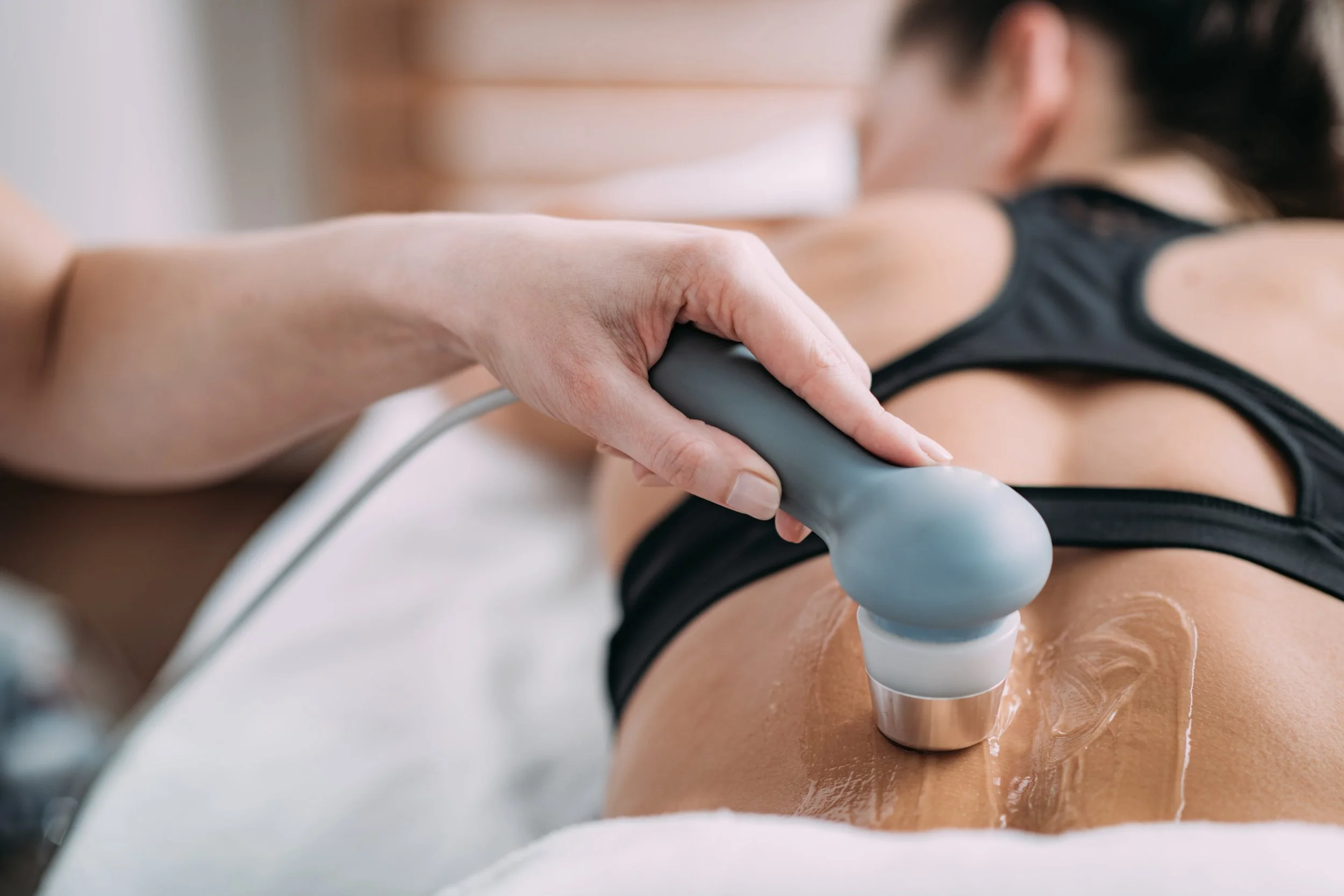
Ultrasound Therapy
Ultrasound therapy uses high-frequency sound waves to penetrate deep tissues and promote healing at the cellular level.
Benefits:
Accelerates tissue healing through increased blood flow
Reduces inflammation and pain
Helps break down scar tissue and adhesions
Improves flexibility and range of motion
Stimulates collagen production for soft tissue repair
Ultrasound is often utilized for tendon injuries, muscle strains, ligament injuries, and chronic soft tissue conditions.
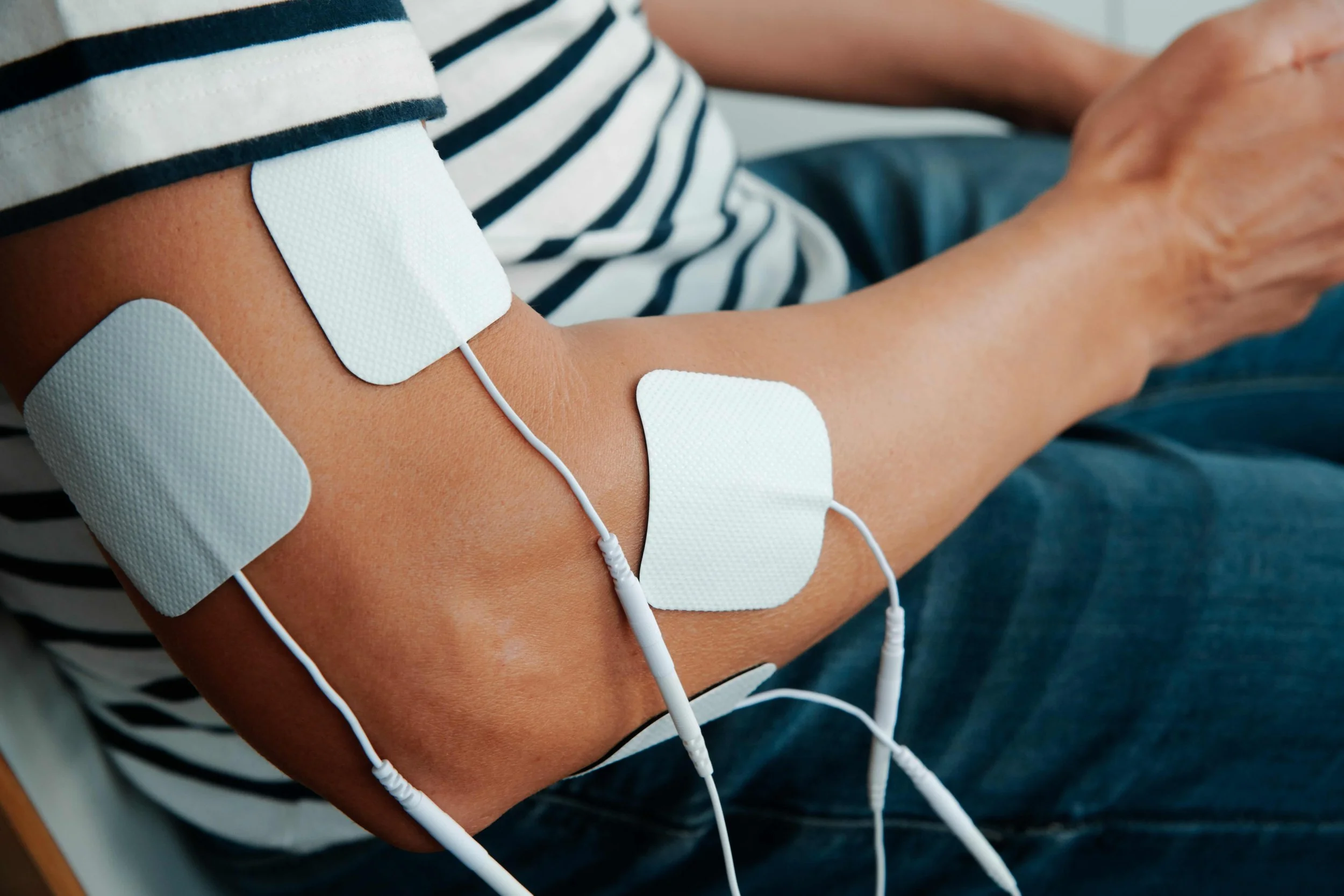
Electrical Stimulation (E-Stim)
Electrical stimulation uses controlled electrical impulses to stimulate nerves and muscles. Different forms of stimulation may be used depending on your treatment goals, including TENS, NMES, and IFC.
Benefits:
Reduces pain by interrupting pain signals
Helps retrain weakened muscles following injury or surgery
Improves circulation and blood flow
Helps prevent muscle atrophy during periods of reduced activity
Assists with swelling and inflammation management
Electrical stimulation is frequently incorporated into post-surgical rehabilitation, orthopedic recovery, and neuromuscular re-education programs.
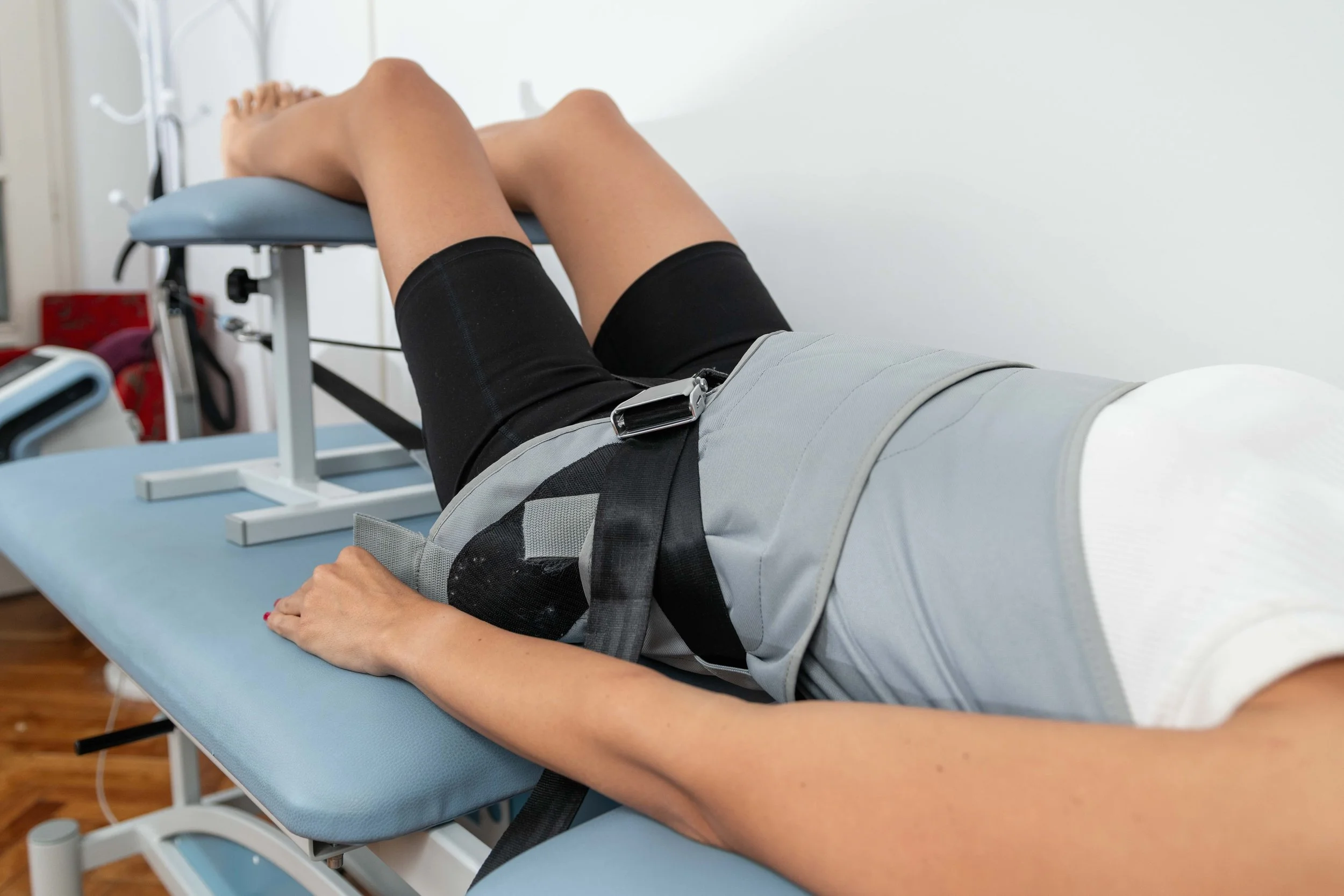
Traction Therapy
Traction therapy applies controlled forces to decompress joints and spinal structures. Treatment may be performed manually or mechanically depending on your condition.
Benefits:
Reduces pressure on spinal discs and nerves
Improves spinal alignment and posture
Increases mobility and flexibility
May reduce symptoms associated with disc injuries and nerve compression
Provides a non-surgical option for certain spine-related conditions
Traction therapy is commonly used for neck pain, back pain, disc-related conditions, and certain nerve-related symptoms.